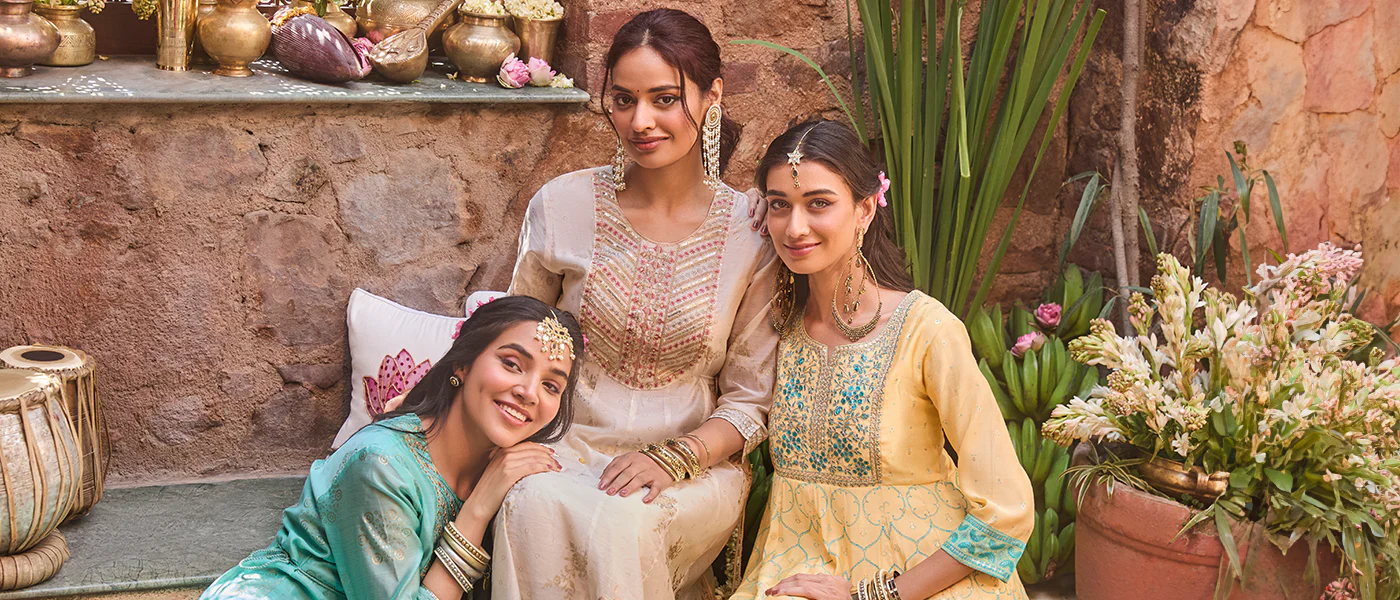
Indian ethnic wear has made a remarkable mark on global fashion over the last few decades, captivating the hearts of fashion enthusiasts, designers, and everyday consumers across the world. From Bollywood-inspired sarees to the vibrant lehengas, kurta sets, and fusion styles, Indian clothing has transformed from a regional traditional dress into a worldwide cultural phenomenon. But what is it that makes Indian ethnic wear so desirable and universally appreciated? Let’s explore the deeper reasons behind the growing global appeal of Indian ethnic wear for women.
The Timeless Elegance and Rich Heritage of Indian Fashion
Indian ethnic wear is not just about clothes; it represents a story, a tradition, and an identity that transcends time. Indian clothing, with its roots deeply embedded in history, tells a tale of centuries-old craftsmanship, royal traditions, and cultural diversity. From the stunning sarees to the intricate embroidery of lehengas, every piece of Indian ethnic wear carries within it a unique blend of artistry and history that appeals to women across the globe.
Indian traditional garments have evolved over time, blending ancient customs with contemporary aesthetics, creating styles that are both classic and modern. The timeless appeal of the saree, for example, is a perfect blend of sophistication and sensuality that has remained a fashion staple in India for centuries, and its elegant drape is admired worldwide. Similarly, the lehenga, once worn by royalty, has now found its place at various fashion events and weddings around the world.
The Artistic Craftsmanship Behind Indian Wear
One of the key reasons behind the international popularity of Indian ethnic wear is the exquisite craftsmanship. Traditional garments such as sarees, lehengas, salwar kameez, and dupattas are often handwoven, embroidered, and embellished with intricate details. Indian artisans have honed their skills over generations, using techniques passed down through centuries.
From zari work to mirror work, from block printing to tie-dye, each technique tells the story of its region and culture. For instance, the fine craftsmanship of Banarasi silk sarees, the intricate beadwork of Rajasthani lehengas, and the delicate chiffon sarees from Gujarat have all gained global attention for their beauty and artistry. When women wear these garments, they are not just dressing up; they are adorning themselves in pieces of history, craftsmanship, and culture.
The Global Appeal: Comfort, Versatility, and Style
Another reason why Indian ethnic wear has found its place in the wardrobes of women all around the world is its versatility and comfort. Whether it’s a hot summer day or a chilly evening, there is always an ethnic outfit suitable for every occasion and climate.
Comfort and Breathability
Many traditional Indian fabrics, like cotton, linen, and silk, are breathable, lightweight, and comfortable, making them perfect for women living in varied climates. The loose fits and flowing silhouettes of garments like the saree or the kurta set offer a level of comfort that tight-fitting western clothes often lack.
Moreover, the layered styles of lehengas and anarkalis can be worn for formal occasions without compromising on comfort. This balance of beauty and practicality has made Indian ethnic wear a favorite for many, especially for women who seek comfort without sacrificing style.
Versatility for Every Occasion
Indian ethnic wear is incredibly versatile, allowing women to choose styles that suit a wide range of occasions. Whether it’s a wedding, a formal gathering, a casual event, or a cultural celebration, Indian wear offers something for every type of event. Sarees, for example, can be dressed up or down depending on the fabric, design, and accessories, making it perfect for both casual and formal occasions.
Lehengas, traditionally worn for weddings, can now be styled for parties and festive occasions as well. In the workplace, Indian ethnic wear like kurtis and salwar kameez sets offer a stylish yet modest option, perfect for corporate environments. The wide variety of styles means that there’s always a suitable option for any occasion, whether it’s a special event or an everyday look.
The Influence of Bollywood and Celebrities
Bollywood, the heart of India’s film industry, has played an instrumental role in promoting Indian ethnic wear on the global stage. Over the years, Bollywood celebrities have donned stunning sarees, lehengas, and anarkalis, inspiring fans around the world. The global popularity of stars like Deepika Padukone, Priyanka Chopra, and Kangana Ranaut has helped create a bridge between Indian and international fashion, with their stylish appearances setting trends both in India and abroad.
Many of these celebrities wear Indian ethnic wear to film premieres, international red carpets, and even in their everyday lives, making traditional Indian clothing more accessible and aspirational. When Bollywood icons wear a bright red saree or a stunning lehenga, it sends a message of cultural pride and modernity that resonates with women worldwide.
In addition, the popularity of Indian music videos, TV shows, and international collaborations has further propelled the visibility of Indian fashion. These platforms have introduced a global audience to the richness of Indian ethnic wear, showcasing its glamour and timelessness.
Cultural Significance and Identity
For many women, wearing Indian ethnic wear is also a way to stay connected to their cultural roots. Indian clothing often represents much more than just fashion—it’s about identity, community, and tradition. Women from Indian and South Asian diasporas living in countries around the world often wear Indian ethnic clothing during important cultural events, religious celebrations, and festivals. It’s a way to celebrate their heritage and maintain a connection to their roots.
The rise of cultural pride among immigrant communities has brought Indian fashion into the limelight. Traditional Indian wear is often seen as a symbol of resistance to westernization, offering a way for women to express their uniqueness and honor their cultural heritage. This has resonated with non-Indians as well, who appreciate the richness of Indian clothing and its connection to a culture that values tradition, beauty, and craftsmanship.
Indian Ethnic Wear as a Symbol of Inclusivity
Indian ethnic wear is incredibly inclusive in its design and adaptability. Whether it’s a woman with a curvy body type or a petite one, Indian garments can be tailored to fit every body shape and size. The flowy drapes of a saree, the comfortable cuts of a salwar kameez, and the adjustable waistbands of lehengas make Indian ethnic wear an inclusive choice for women of all body types.
Moreover, the wide range of colors, fabrics, and designs available ensures that women with different skin tones and preferences can find a style that suits them. From vibrant reds and yellows to pastel blues and greens, the color palette of Indian ethnic wear is vast and diverse, making it easy for every woman to find her perfect match.
Sustainability and Ethical Fashion
As global attention turns toward sustainability and ethical fashion, Indian ethnic wear has found an important niche in this movement. Many traditional Indian fabrics, such as khadi (hand-spun cotton) and organic silks, are produced using eco-friendly and sustainable methods. Additionally, Indian handloom fabrics and artisanal techniques support local artisans and rural communities, contributing to sustainable livelihoods.
The rise of eco-conscious fashion brands in India has further contributed to the global appeal of Indian ethnic wear, with designers creating garments that are both stylish and sustainable. As more consumers seek out ethical fashion options, Indian ethnic wear offers a refreshing alternative to mass-produced fast fashion, providing garments that are made with care, artistry, and environmental consciousness.
Conclusion: The Future of Indian Ethnic Wear
Indian ethnic wear’s global appeal is not a passing trend but a testament to the timeless beauty, artistry, and inclusivity of Indian fashion. From its rich history and craftsmanship to its modern-day adaptability, Indian ethnic wear offers something unique and authentic for women across the world. The influence of Bollywood, the celebration of cultural identity, and the embrace of sustainable practices ensure that Indian clothing will remain relevant on the global stage.
As more women seek clothing that blends tradition with modernity, comfort with style, and culture with inclusivity, Indian ethnic wear is poised to continue its journey as a global fashion icon. Whether you’re attending a wedding, celebrating a festival, or simply looking to add something unique to your wardrobe, Indian ethnic wear provides the perfect combination of elegance, craftsmanship, and cultural richness.
People Also Ask (PAA)
1. What makes Indian ethnic wear so popular?
Indian ethnic wear is loved globally for its rich history, intricate craftsmanship, and versatility. Its timeless elegance and ability to cater to different body types and cultural celebrations make it an appealing choice worldwide.
2. Where can I buy Indian ethnic wear online?
You can buy Indian ethnic wear from various online retailers like Myntra, Amazon, and specific fashion stores like Fabindia, Craftsvilla, and India’s heritage stores. Many international stores also carry curated collections of Indian fashion.
3. What are the different types of Indian ethnic wear?
The most popular types of Indian ethnic wear include sarees, lehengas, salwar kameez, kurtas, and anarkali dresses. Each type offers unique features suited for different occasions.
4. How do I wear a saree properly?
To wear a saree, start by draping the fabric around your waist, ensuring the end is tucked in securely. Then, create pleats at the front, fold them neatly, and tuck them into the waistband. Finally, drape the remaining fabric over the shoulder, securing it with pins.
5. Is Indian ethnic wear comfortable?
Yes! Indian ethnic wear, especially cotton, silk, and linen options, is highly comfortable and breathable, making it ideal for various weather conditions and long hours of wear.